Data snapshot and opening claim
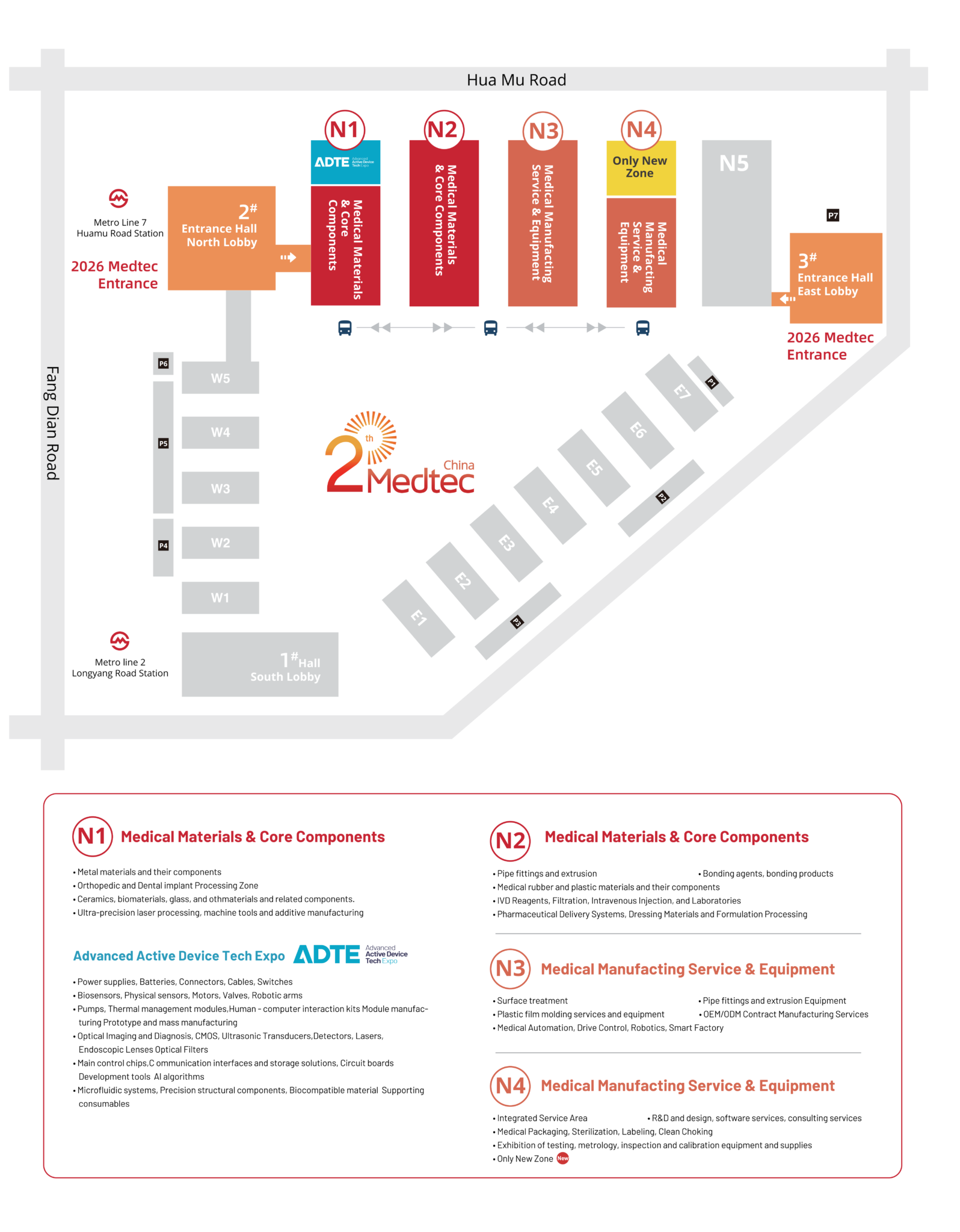
Manufacturers who face high-volume production of gamma irradiation resistant trays confront a simple arithmetic: modest changes in scrap rate translate to large swings in cost per unit. Presently, sterilization by gamma irradiation commonly uses a sterilization dose near 25 kGy, and OEM sourcing decisions must account for materials that sustain that dose without deformation. Practitioners compare options at trade shows and technical gatherings—hence the frequent attendance at an international medical expo—and many source partners first encountered at a Medtec exhibition become long-term suppliers. The data-driven account below sets out how to lower scrap rates while maintaining compliance and throughput.
Quantifying the cost of scrap
A ten-thousand-unit order with a 5% scrap rate differs substantially in landed cost from the same order at 2%. The direct loss is raw material and labor, but indirect costs—rework queues, delayed sterilization cycles, and inventory buffers—multiply the impact. Empirical studies from production cohorts at Medtec China in Shanghai indicate that mature lines can reach single-digit scrap rates; less mature lines frequently reside in the low double digits. Trackable metrics to monitor are: scrap rate (percentage), yield per shift (units), and cycle-time variance (seconds). These metrics drive supplier negotiation and capital-investment decisions.
Root causes and process controls
Root causes fall into three clusters: material selection, process variability, and inspection shortfalls. Polymer blends that articulate well at room temperature may embrittle after a 25 kGy dose; likewise, tray geometry that concentrates stress will delaminate during handling. Process control ought to include simple measures: controlled ambient humidity, mold maintenance schedules, and in-line dimensional inspection. When a supplier proposes a new polymer, require a sample run and record the scrap rate over a representative batch rather than a single-shot trial.
Testing, standards and retention protocols
Certifications and protocol adherence form the backbone of verification. ISO 11137 provides the accepted framework for radiation sterilization; its constituent parts are:
– ISO 11137-1: Requirements for development, validation and routine control of a sterilization process for medical devices.
– ISO 11137-2: Establishing the sterilization dose.
– ISO 11137-3: Guidance on dosimetric aspects.
Complement these with biocompatibility checks and retention-sample plans. For retention testing, practitioners commonly hold samples for at least the first production lot and maintain a 14-day bioburden incubation period when assessing microbial load prior to sterilization. These intervals ensure reproducibility and permit root-cause analysis should scrap trends worsen.
Supplier selection and OEM sourcing tactics
Data must steer supplier choice. Scorecards that weight scrap history, material pedigree, and validation capability will reveal the true cost of a supplier beyond unit price. When auditing an OEM, demand evidence of production stability: statistical process control charts, a history of sterilization dose trials, and documented tolerance to gamma irradiation. Meet prospective partners at exhibitions—there, engineering leads will often present case studies rather than brochures. A concise supplier audit list should include: documented scrap trends, samples post-irradiation, and a referenced validation plan aligned to ISO 11137.
Common mistakes and remedial practices
Teams often default to the cheapest resin and then retrofit process controls—this increases scrap and obscures root cause. Insist on front-loaded trials and small pilot lots; use the results to negotiate price, not the other way round. Also, avoid relying solely on visual inspection. Implement automated dimensional gauging and periodic dosimetry checks to confirm the sterilization dose is consistent across batches.
Advisory: three golden metrics for decision-making
1) Adjusted yield per lot: yield normalized for batch size and handling steps. This reveals vendor stability.
2) Post-irradiation integrity score: a composite of dimensional tolerance and functional test pass rate after a 25 kGy exposure.
3) Time-to-root-cause: median hours from issue detection to corrective action. A supplier that resolves problems within 48 hours materially reduces expected scrap.
Companies that measure these metrics consistently shrink scrap and lower unit cost; the most effective teams marry those metrics with on-site validation discovered at trade gatherings—small pragmatic investments yield measurable savings. Medtec.