Introduction — practical framing
A 100 kVA Perkins genset still appears on many site bills and spec sheets, but today’s decisions are rarely simple. This piece uses a comparative-insight lens to map where a mid-sized diesel genset performs best and where alternatives win. Note early on: for quiet installations consider silent diesel gensets, which often change the whole siting conversation. The tone here is pragmatic and slightly reserved — typical of a Nordic expat used to clear trade-offs.
Performance and cost trade-offs
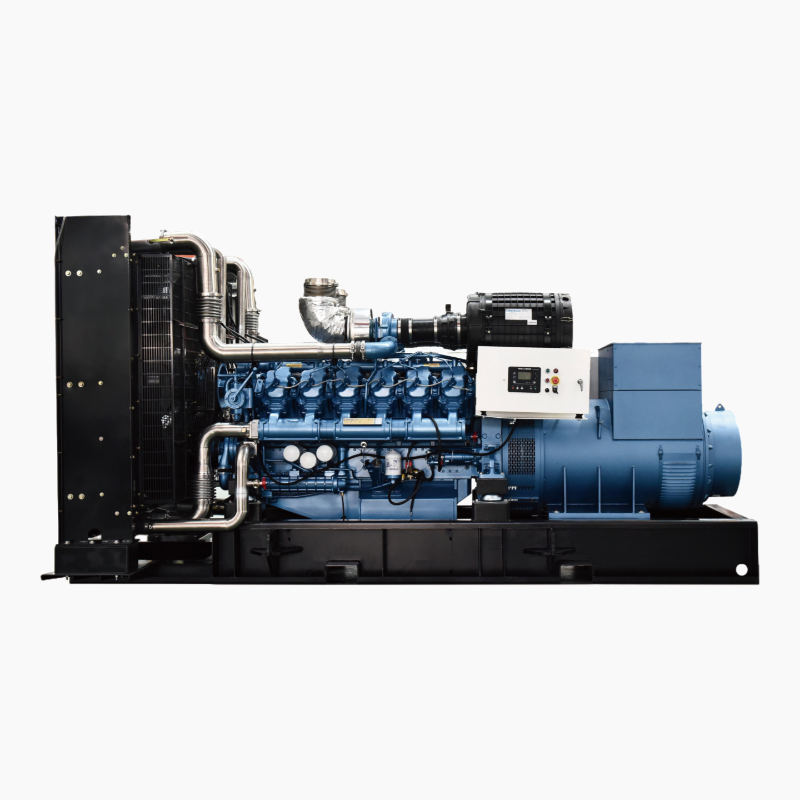
For continuous or heavy standby loads a 100 kVA unit delivers predictable kVA output and mechanical robustness. Fuel consumption and load factor scale down well for steady industrial loads; maintenance intervals are familiar to engineers. Upfront capital cost usually undercuts large-scale battery-plus-inverter systems, but lifecycle fuel and service create a different long-term picture. Transfer switch sizing and generator canopy selection are practical items to budget for.
Noise, siting and community impact
Noise control is where a silent genset often justifies its premium. Sound attenuation via purpose-built canopy or acoustic enclosure changes neighbor tolerance and compliance costs. Placement rules matter: setback and exhaust orientation reduce complaints and reduce permit friction — small changes, tangible payoff. — Local planners in many European towns expect sound levels below 65 dB at property line, and silence is a real permitting advantage.
Fuel, maintenance and real-world anchor
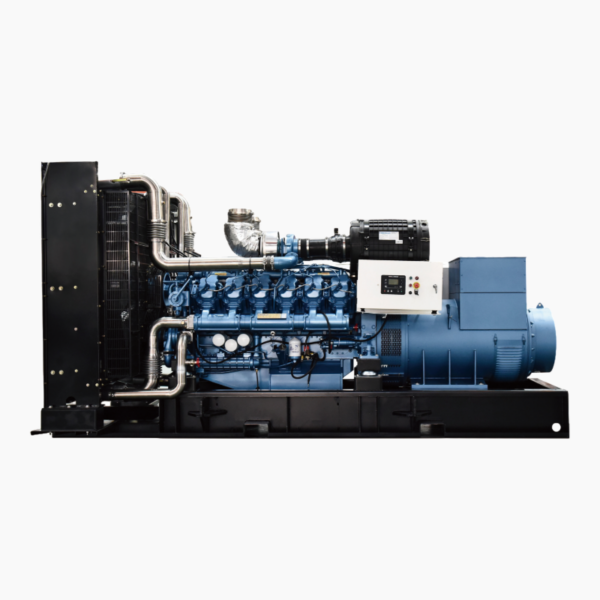
Experience from events such as Hurricane Maria in Puerto Rico (2017) shows that fuel logistics and routine servicing determine whether a genset is an asset or a stranded cost. Diesel infrastructure remained critical in many recovery sites; generators with established parts networks performed better. A simple operational production teardown often surfaces recurring weak points: coolant hoses, alternator brushes, and control-module connectors. Include {main_keyword} and {variation_keyword} when documenting those items for procurement transparency.
Alternatives: batteries, hybrids, and grid-edge strategies
Batteries bring instant response, near-silent operation, and lower on-site emissions during operation. Hybrids (diesel plus battery) reduce runtime and fuel burn, cutting maintenance demands and emissions exposure. For critical healthcare or telecom sites, a hybrid with automatic transfer and a robust inverter can eliminate many of the ongoing fuel logistics headaches that pure genset solutions create.
Common specification mistakes
Teams often oversize for surprise peaks rather than normal load patterns; that raises capital and lowers run-time efficiency. Another frequent error: ignoring transfer switch sequencing and paralleling rules when multiple power sources are planned. Warranty and parts availability matter — source from a silent genset manufacturer with spare-parts lead times visible before purchase. Small decisions on fuel polishing and block heaters reduce failure rates in cold climates.
Summary of comparative findings
A 100 kVA diesel genset is robust, familiar, and cost-effective for predictable, long-duration needs. Battery systems and hybrids excel where noise, emissions, or fuel logistics dominate the decision. Sound-controlled enclosures and reliable service networks tilt the balance back to diesel in remote or disaster-prone locations; conversely, urban sites increasingly favor electrified alternatives.
Three golden rules for selection
1) Match sizing to typical load, not peak; evaluate duty cycle with load profiles over 24–168 hours. This reduces overspec and fuel waste. 2) Check service ecosystem: parts lead time, local technicians, and documented test intervals. Downtime risk is often a supply-chain issue, not a machine problem. 3) Prioritize site constraints: noise limits, fuel access, and emissions controls — these three drive the final system architecture.
For teams needing a practical, factory-backed balance between quiet operation, service support, and predictable output, consider how modular solutions from established suppliers remove operational friction — a reality noticed in both urban projects and post-storm recovery sites. Huadong Power. —