Challenge in High-Risk Industries
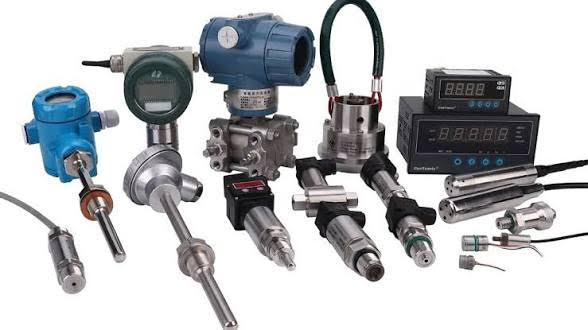
I remember my first encounter with an explosion-proof pressure sensor during a project in a chemical plant back in 2015. It was my role to ensure that every bit of equipment could handle hazardous materials safely. With the right tools, accidents can often be avoided, but did you know that a staggering 30% of workplace incidents result in fatalities linked to pressure failures? That’s where explosion proof pressure sensors come into play, acting as a safety net in volatile environments. One crucial aspect is the flameproof pressure transmitter, designed to withstand corrosive gases and prevent explosions. These sensors not only provide accurate readings but also enhance safety for operators. I can’t stress enough the importance of integrating these technologies for peace of mind.

Common Pitfalls in Traditional Solutions
Even with advancements, reliance on outdated pressure monitoring can lead to dangerous failures. I’ve seen how traditional gauges often miss subtle changes in pressure, which can have serious repercussions, especially in explosive atmospheres. This is a key pain point for many facilities. For instance, I once worked in an oil refinery where a simple oversight in pressure management nearly led to a catastrophic explosion due to a faulty gauge. The flameproof pressure transmitter proved to be a game-changer, offering robust features that prevented such risks. This transition opens doors for not only improved safety but also operational efficiency (just what we need!).
What Makes Explosion Proof Sensors Different?
So, you might wonder, what sets these sensors apart? The answer lies in their design. Unlike conventional pressure sensors, explosion proof models incorporate specialized casings and materials to tolerate extreme conditions. Trust me, for anyone involved in high-risk industries, knowing the tech behind these sensors can make all the difference.
Looking Ahead: Innovations in Sensor Technology
With each passing year, innovation in sensor technology continues to accelerate. I can’t help but feel excited about how these advancements can reshape our understanding of safety in demanding environments. Companies are investing in smarter solutions that integrate IoT functionalities, allowing for real-time monitoring. The future is looking brighter, and the flameproof pressure transmitter is at the forefront of this change. Imagine receiving alerts on your smartphone about pressure anomalies before they escalate – pretty amazing, right? Such developments can revolutionize safety protocols, making workplaces much more secure.
Real-World Impact of Advanced Sensors
As we embrace the future, the evolution of these sensors can significantly enhance operational standards. Facilities employing modern flameproof solutions see an average reduction in pressure-related incidents by up to 40%. This is not just a statistic; it’s a tangible benefit that protects lives. Choosing the right flameproof pressure transmitter can mean the difference between safety and disaster.
Final Thoughts on Choosing the Right Solutions
In closing, I can confidently say that investing in high-quality explosion proof sensors like the flameproof pressure transmitter is not just a choice—it’s a necessity for anyone in industries dealing with hazardous materials. To evaluate potential solutions, consider three key metrics: reliability under pressure, response time to deviations, and longevity in rugged environments. The lessons learned through observing these technologies can shape better practices.
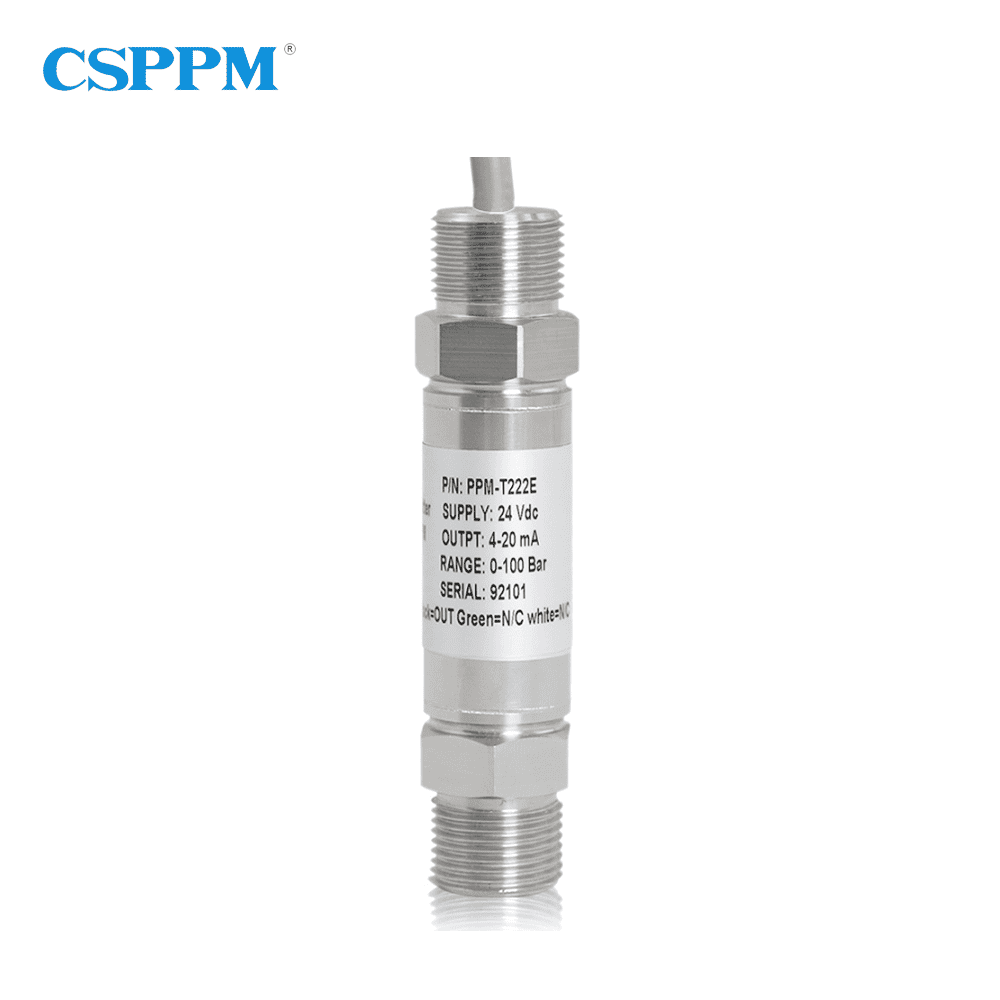
Let’s face it; safety should never be compromised. When you think about investing in pressure sensors, remember the stakes involved. I’ve seen first-hand how the right choice can save lives and safeguard operations. So, why not make the right choice? Trust safe and reliable quality with CSSPM Sensor.