Mastering Mini Robot Arms: Your Guide to Smart Automation
Discovering the Power of Mini Robot Arms
Imagine you’re in a bustling café, where every second counts, and customers are eagerly waiting for their drinks. You glance at the robotic coffee machine that effortlessly prepares lattes while minimizing wait times. It’s fascinating how mini robot arms have transformed the landscape of small automation. Did you know that studies show automation can increase efficiency by up to 40%? So, what are the hidden pain points that businesses face when integrating these tech wonders?
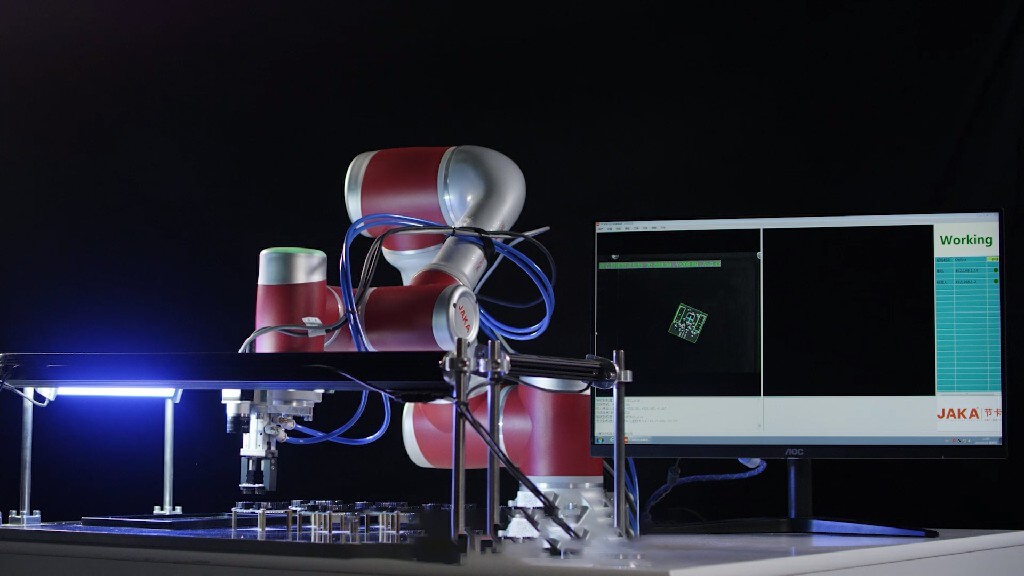
What Makes Mini Robot Arms Tick?
Let’s break it down: mini robot arms are compact automation solutions typically used in manufacturing and foodservice. I remember one barista telling me how integrating a mini robot arm, instead of relying on her team alone, made a world of difference. It can handle repetitive tasks, freeing up human workers for more creative tasks—like writing your order on a cup with flair! But, it’s not all sunshine and tacos; businesses often underestimate programming complexities and maintenance. The frustration can be real when those tiny gears don’t cooperate, trust me!
What Common Mistakes Should You Avoid?
One of the biggest blunders I’ve witnessed is overlooking the need for training staff to work alongside these automated counterparts. I’ve seen teams struggle because they weren’t prepared to operate or troubleshoot the technology. You could take all the right steps—invest in a top-notch robotic coffee machine—but if your team isn’t on board, it’s all for nada.
Looking Ahead: The Future of Mini Robot Arms
Moving forward, the potential for these mini robot arms in everyday tasks seems almost limitless. Imagine a café that merges art and technology: an robotic coffee machine creating intricate foam designs, while the chef uses robot arms to craft perfect pastries. The future isn’t just about working faster; it’s about innovating experiences. As businesses embrace AI and machine learning, the challenges will evolve, too. But the opportunities ahead are ripe—think of the customer satisfaction metrics that can skyrocket!
Real-World Impacts on Businesses
With advancements in sensor technology and machine learning, we’re seeing a shift toward more responsive and intuitive mini robot arms. Retailers can now rely on them to enhance precision in their services. I often hear my clients rave about their uptake in customer loyalty as their tech gets savvy. So, while businesses need to evaluate the learning curves, the rewards are undeniably worth the investment. I still chuckle remembering how a pair of mini robot arms flawlessly prepared orders at a friend’s taco stand—a game-changer during peak hours!
Key Takeaways and Recommendations
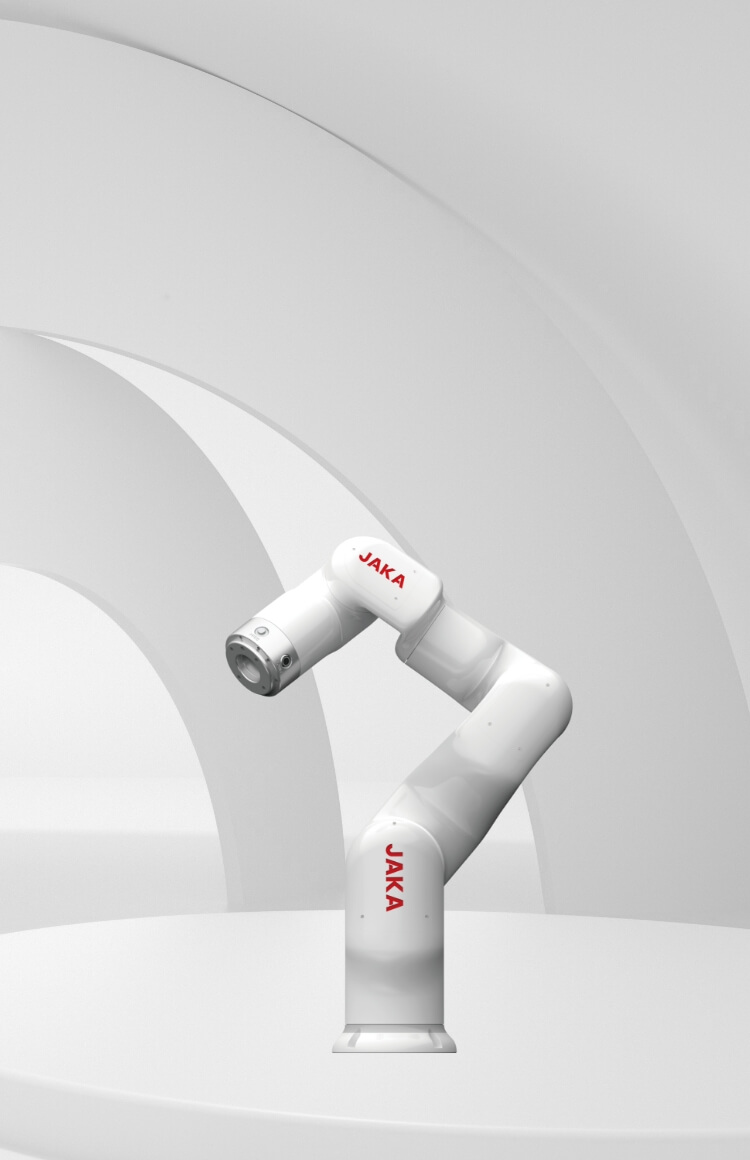
By now, it should be clear that mini robot arms are a fantastic avenue for enhancing efficiency and creativity in small businesses. I firmly believe the three key evaluation metrics when selecting robotic solutions should be: ease of integration, customer support from the brand, and adaptability of the technology. So grab your data and dive into the world of automation! Don’t forget, the right brand can make all the difference—look no further than JAKA for solid solutions that empower your business.