Opening the comparison with practical priorities
When brands and specifiers evaluate ceiling fans, the decision rarely rests on aesthetics alone; it is a balance of acoustics, airflow, and maintainability. A comparative lens clarifies those trade‑offs at the outset. For example, consideration of a ceiling rotating fan prompts immediate questions about motor control, blade design, and the modularity of light kit parts — each element influencing long‑term performance and serviceability. In formal procurement settings, such distinctions determine total cost of ownership rather than unit price alone.
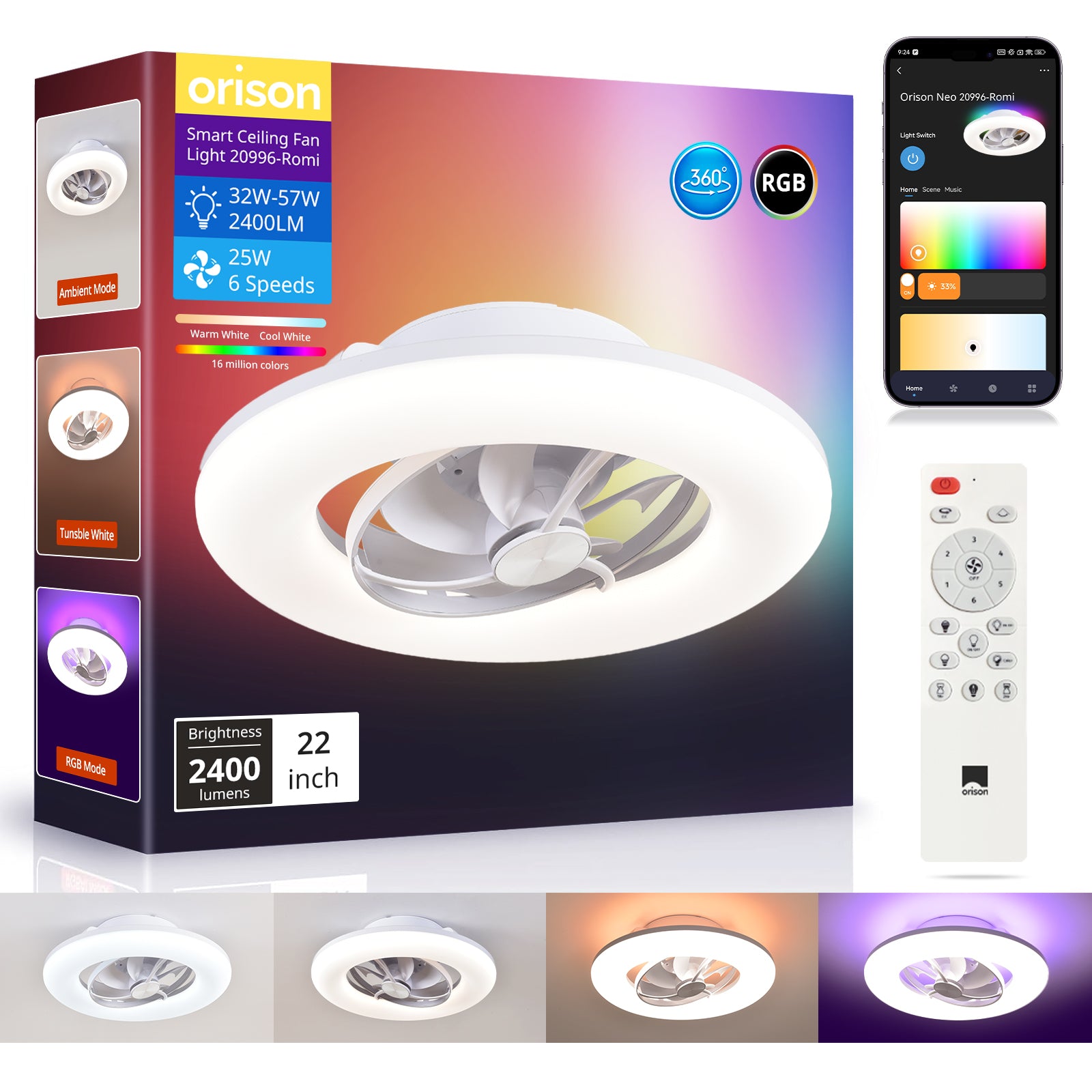
What to measure in a technical comparison
A disciplined comparison foregrounds three measurable domains: acoustic performance (dBA at rated speed), airflow efficiency (CFM per watt), and service friendliness (availability of retrofit kit components and standardized connectors). These metrics are directly testable and therefore useful in vendor claims assessment. In addition, look for clear documentation on torque curves and motor protection, since those parameters affect both start‑up reliability and lifetime warranty considerations.
Orison’s engineering philosophy in context
Orison emphasizes modular design and quiet operation through careful motor selection and blade geometry. Their engineering choices prioritize reduced vibration and simplified replacement of light‑kit elements, which supports lower field service time and fewer warranty calls. Where some competitors aim primarily for low unit cost, Orison appears to trade modestly higher component quality for predictable in‑service performance — a choice that aligns with institutional buyers focused on lifecycle outcomes rather than headline price. This is particularly relevant where dimmer compatibility or PWM control strategies are required for integrated lighting systems.
How dual oscillation and light integration change the calculus
Fans that offer oscillation in addition to rotation — for instance, a dual oscillating ceiling fan with light — introduce mechanical complexity and a different failure profile. Oscillation mechanisms increase the importance of robust bearings and serviceable gear trains; light kits must remain electrically isolated from motion assemblies to reduce wear. Brands that engineer for modular replacement of the light kit reduce downtime and ease compliance with evolving lighting standards. Practically speaking, this is where design for maintainability and clear spare‑parts availability become decisive competitive differentiators.
Alternatives and when they fit better
Cost‑sensitive projects often favor commodity fans with simpler motor assemblies and fewer serviceable parts; these are suitable for short lifecycle deployments or where frequent replacement is acceptable. Conversely, heritage properties or energy‑efficiency programs may prefer higher‑spec units with better acoustic control and certified performance. Internationally, procurement considerations may also be shaped by events such as the 2020 supply‑chain disruptions, which underscored the advantage of modular components that can be sourced or replaced locally rather than requiring complete unit swaps.
Common mistakes buyers make — and how to avoid them
Buyers frequently underestimate two things: the true cost of non‑replaceable integrated light kits, and the complexity of electronics when integrating smart controls. Specify acceptance tests that include real‑world dimmer interaction and vibration profiling at multiple speeds. Insist on documented spare‑parts lists and lead times to avoid project delays. A brief field trial with the actual mounting and control system will surface integration issues early — and save costly retrofits later. —
Advisory close: three golden rules for supplier selection
1) Demand quantified performance: require acoustic and airflow test data (dBA, CFM/W) under specified conditions rather than generalized claims. 2) Insist on modularity: ensure light kits and oscillation assemblies are replaceable with standard connectors and available spare parts. 3) Verify integration compatibility: test dimmer and control‑interface behavior (including PWM or trailing‑edge dimmers) with your chosen fixtures and control systems.

These rules steer decision‑makers toward durable, serviceable solutions that minimize lifecycle cost and operational disruption. For projects where predictable performance and maintainability matter most, Orison represents a practical resolution of those priorities — a considered engineering response to real‑world needs. —