Introduction: A Factory Floor Crossroads
In a typical shift, a paint line pauses, a pallet cell waits, and the industrial robot controller gets the blame because the schedule slipped by seven minutes. An amr controller now enters the scene, ferrying parts in sync with the cell, and everyone assumes harmony will follow. Yet the data tells a harder story: unplanned stoppages still eat 5–20% of capacity, often due to handoffs between motion control and material flow. So, is the real issue hardware, or the way we orchestrate tasks across cells?
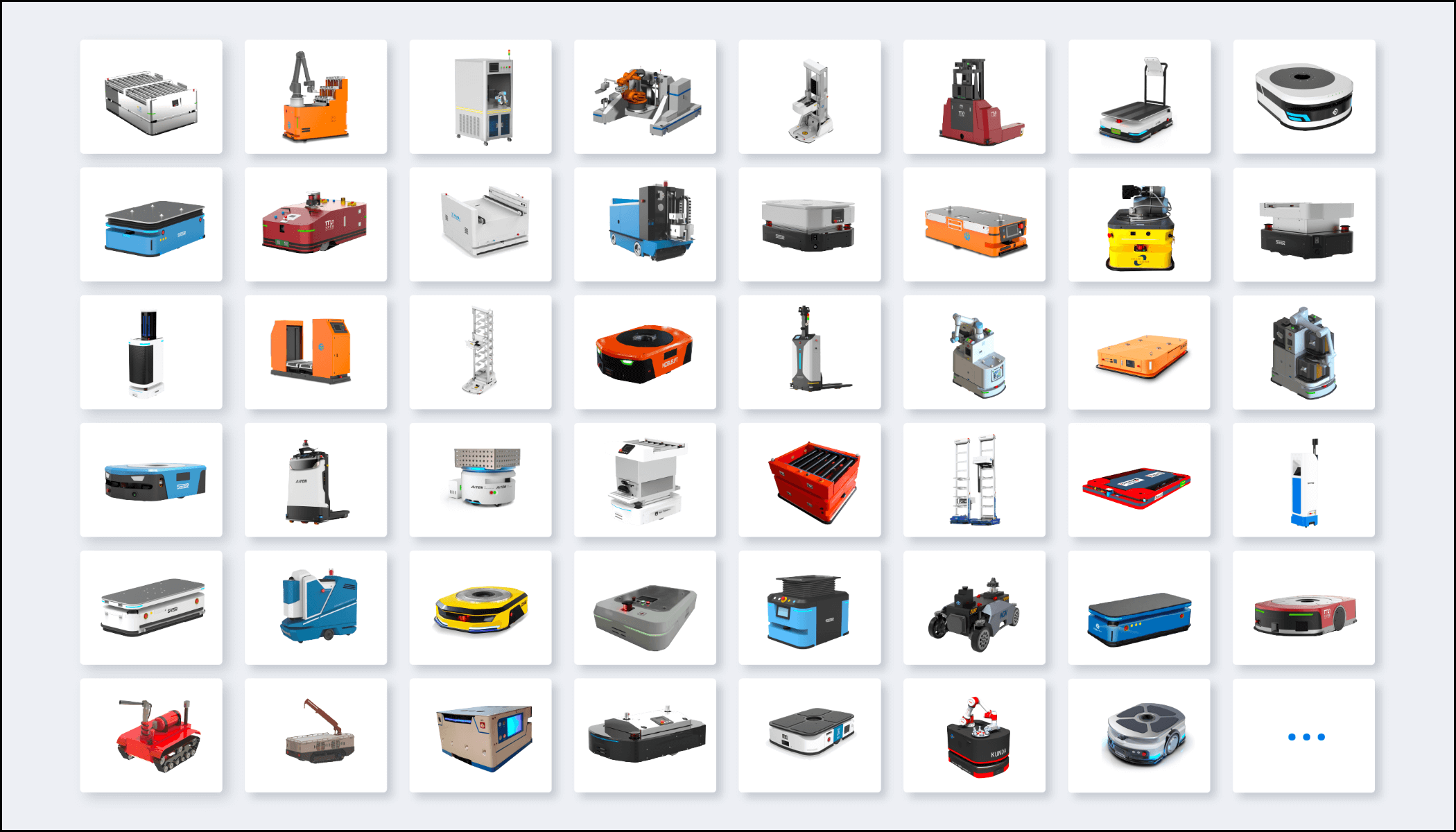
Let us be practical. We need deterministic motion and clean timing, yes, but we also need robust handshakes over CAN bus and reliable triggers from edge computing nodes. If Part 1 showed the broad landscape, this piece drills into why the handoff fails at the seams and what to compare next. The question is simple: which control brain aligns best with real takt time—without adding brittle patches (or late-night hacks)? Onward to the cracks beneath the surface.
Where Traditional Stacks Crack Under Real Work
Why do old stacks buckle?
Legacy cells lean on PLC ladders, isolated fieldbus networks, and rigid motion blocks. These worked when parts flowed in lockstep. But as mix variance grows and robots juggle more micro-tasks, the “hard divide” between routing logic and motion control shows its age. The result is drift—tiny, costly drift. Message latency creeps in; buffer queues choke; PID loops behave well while the job queue does not. Look, it’s simpler than you think: the problem is not only torque or kinematics; it is coordination. When the pallet is late by three seconds, the arm waits. When the arm is busy, the AMR queues. And the cycle time balloons—funny how that works, right?
Two pain points surface repeatedly. First, the orchestration gap: PLC logic speaks in fixed rungs, but dynamic sequencing needs event-driven models and tight coupling with vision and sensor fusion. Second, the power layer: cells add sensors, lights, and end-effectors, while power converters and safety relays form a maze of dependencies that the old controller never “sees”. Without a real-time OS (RTOS) shared across motion and transport decisions, the cell becomes a set of silos. This is why hot fixes multiply. Engineers patch with scripts, queue daemons, and side PCs. More boxes, more failure points. And still the takt slips when changeovers hit.
Principles Behind the Shift: Comparative, Not Cosmetic
What’s Next
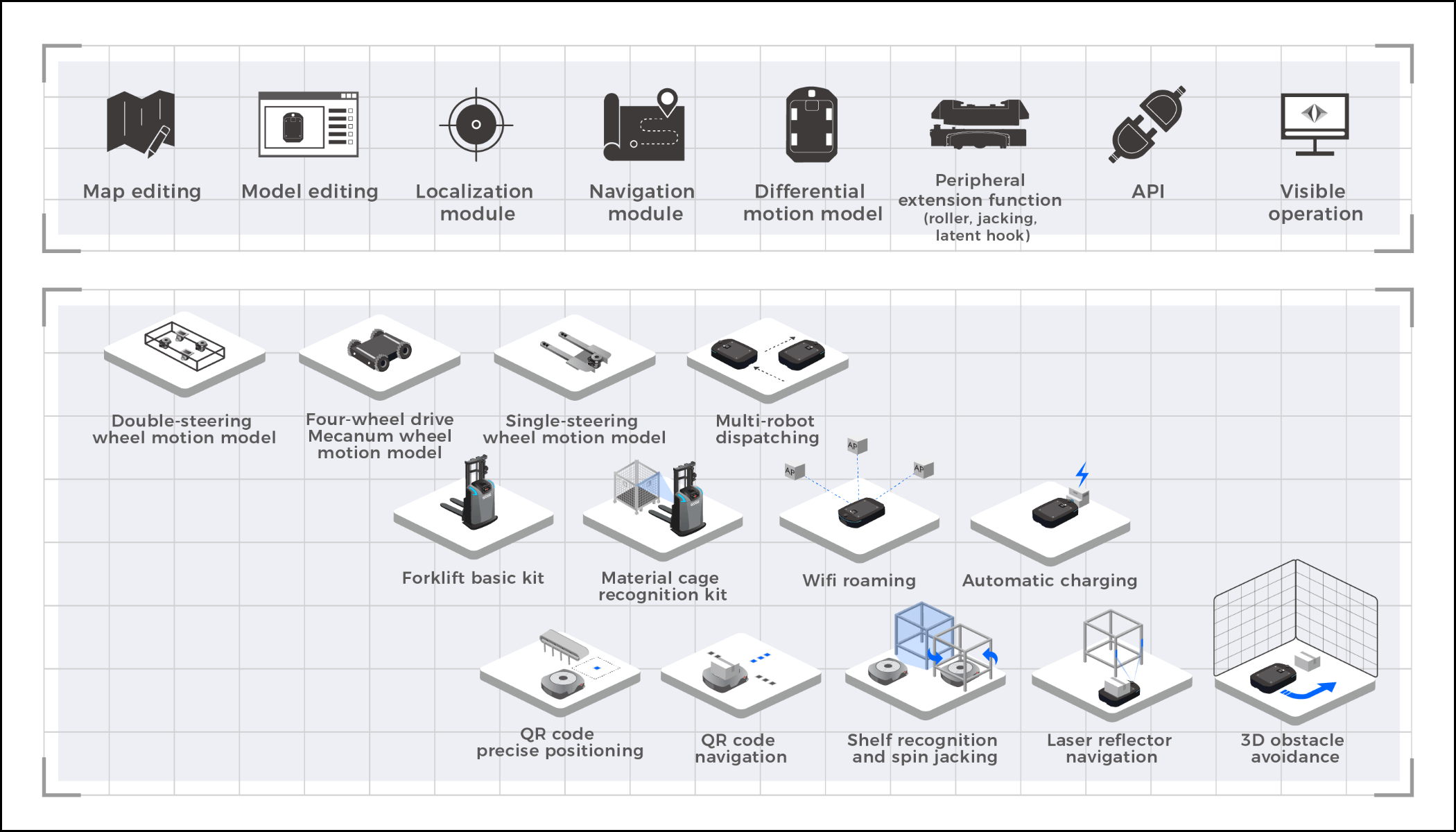
Newer platforms bind motion, transport, and scheduling under one deterministic plan. The idea is not mere protocol support; it is timing discipline across the whole chain. Here is the principle: embed an event-driven core that ties robot trajectories with AMR dock windows, and pin both to the same clock domain. Then push fast decisions to edge computing nodes for line-of-sight tasks, while heavier planning runs a level up. When an industrial robot controller and an AMR brain share unified time and state, your “late pallet” becomes a re-sequenced pick, not a stop. The fieldbus still matters, but it no longer dictates the tempo; the orchestration engine does.
Comparatively, systems that keep transport logic external need more glue code and wider safety margins. Systems that co-locate sequencing with motion—often under an RTOS with strict jitter bounds—cut idle gaps and reduce retries. It shows in practice: fewer queue overflows, cleaner handoffs, lower energy spikes when power converters ramp tools at the wrong time. The takeaway from Part 1 stands, but sharper now: do not evaluate the controller only by axes and IO count; weigh its ability to schedule. In closing, three metrics help you choose well: 1) End-to-end latency from sensor event to motion start, under load; 2) Orchestration fidelity—can it re-plan mid-cycle without manual interlocks; 3) Degradation behaviour—how it handles delayed AMRs or vision dropouts without scrapping cycles. Keep the tone practical—choose what trims seconds without adding boxes. For a grounded view of the ecosystem, see SEER Robotics.