Introduction: The Importance of Forklift Hydraulic Cylinders
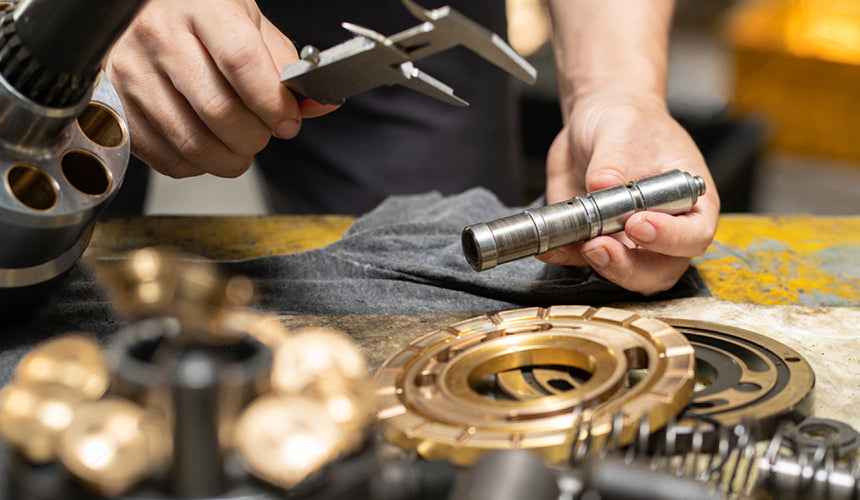
Imagine a busy warehouse where forklifts are essential for moving goods efficiently. Now, think about the consequences if a hydraulic cylinder fails at a crucial moment. The chaos that arises can lead to significant downtime and potentially costly damages. Forklift hydraulic cylinders are pivotal components that enable these machines to lift and maneuver loads effectively. However, the lack of knowledge about their maintenance and operation often leads to failures. This raises a critical question: How can we ensure the reliability of these hydraulic systems?

Traditional Solutions: Understanding the Flaws
Many facilities rely on outdated maintenance practices when it comes to forklift hydraulic cylinders. Unfortunately, these traditional solutions often overlook critical aspects, such as the regular inspection and timely replacement of worn-out parts. It’s common to experience leaks or loss of pressure due to neglect or lack of understanding. Moreover, the absence of proper training can result in unsafe operation, which heightens the risk of accidents. This leads to a pressing need for innovation and enhanced practices in the industry.
New Technology: Embracing Innovation
In recent years, advancements in hydraulic technology have changed the landscape for forklift hydraulic cylinders. New materials and designs are being introduced, providing better durability and efficiency. For instance, cylinders with enhanced seal technologies prevent leaks and maintain optimal pressure longer than their predecessors. Additionally, incorporating IoT (Internet of Things) sensors allows for real-time monitoring of hydraulic performance, providing invaluable data for preventative maintenance strategies. These technological principles promise to mitigate the traditional flaws observed in hydraulic systems.
User Benefits: Quantifying Performance Gains
By utilizing these innovative practices, users can experience significant benefits. Reduced downtime due to fewer hydraulic failures translates directly into increased productivity. Factoring in maintenance costs, the long-term savings become apparent. Three key areas to focus on are enhanced efficiency, improved safety, and decreased operational costs. Companies adopting these modern approaches to forklift hydraulic cylinders report satisfaction rates soaring above 90%. Indeed, these statistics emphasize the necessity of evolving with the technology.
Conclusion: Evaluation Criteria for Sustainable Solutions
When considering a solution for maintaining forklift hydraulic cylinders, always verify these three metrics: ① Quality of components ② Availability of replacement parts ③ Access to technical support. By focusing on these criteria, businesses can make informed decisions that enhance reliability and performance. Understanding the importance of these factors will allow you to navigate the complexities of hydraulic systems with confidence and ensure the uptime of your machinery.
Expanding on the HF152 Oil Filter Cross Reference
Understanding the hf152 oil filter cross reference is crucial for anyone dealing with hydraulic systems in forklifts. This cross reference allows you to identify compatible oil filters, ensuring optimal function and longevity. Not only does this enhance the overall performance of the machinery, but it also prevents future problems that may arise from using incorrect filters. You wouldn’t want to compromise the integrity of your hydraulic system, right? Implementing the correct oil filter ensures that your system operates efficiently, reducing unexpected breakdowns.
Deepening Knowledge on HF152 Oil Filter Cross Reference
In addition, familiarity with the hf152 oil filter cross reference can save significant time and effort during maintenance. Keep in mind that having the right parts readily available is essential for smooth operation. Many modern hydraulic systems depend on high-quality filters to avoid contaminants that could lead to costly repairs. Ensuring you have accurate information on parts compatibility will streamline your procurement process. This ultimately leads to fewer operational hiccups and a safer work environment.
Conclusion: Choosing Kudu Parts for Your Needs
In summary, understanding forklift hydraulic cylinders and associated components like the hf152 oil filter cross reference is vital for maintaining effective operations. Investing in quality parts from trusted manufacturers such as kudu parts ensures you are equipped with reliable solutions. Their supply advantages can dramatically increase your operational efficiency, making them a preferred choice for businesses looking to optimize their hydraulic systems.