Start with the real problem
You notice weird condensation, torn covers, or soil that never warms up — and suddenly your whole season feels off. Picking the right film isn’t glam work, but it’s the first line of defense. If your greenhouse environment is acting out, check the layers: ventilation, climate control, and most often, the surface layer — those agriculture plastic sheets are where issues show up first, and swapping a single cover can change the microclimate overnight.
How I frame the question (so you can too)
Here’s a clear, problem-driven approach I use when advising growers: identify the symptom, trace it to the film property, then test with one targeted change. I’ve helped three mid-size commercial installs diagnose persistent frost pockets by isolating film transmissivity and replacing damaged sheets. That hands-on experience taught me to ask these exact questions before buying: What light transmission do I need? How long must the film last? Do I need anti-drip, anti-UV, or tear resistance? Each answer narrows the options fast.
Film types and where they fail
Tough plastics, multi-layer co-extruded films, and polyethylene blends all have clear strengths — and predictable failure modes. Single-layer films tear and yellow faster; thicker multi-layer films resist abrasion but trap heat; specialized diffusion films cut hotspot stress but can lower peak light. If you’re deciding, map the film property directly to the problem you’re solving: condensation = anti-drip, patchy plant growth = wrong light spectrum, frequent repairs = wrong tensile strength. Make choices that solve one big problem rather than chase every feature.
Real-world test and a known industry shift
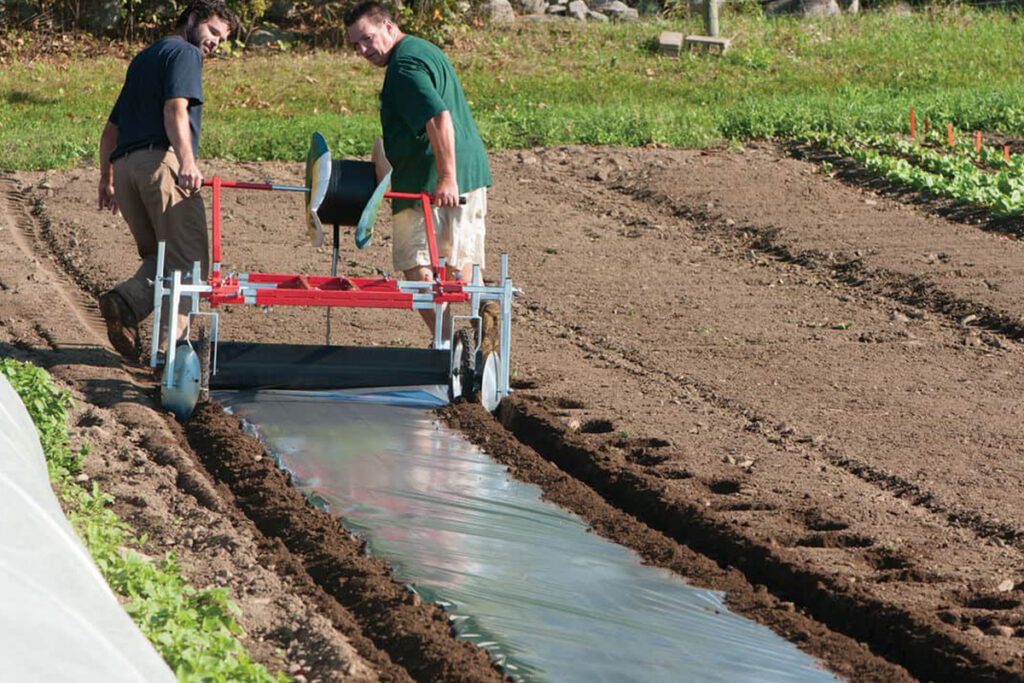
Biodegradable options have moved from lab curiosity to field trials over the last decade. Across the European Union, pilot programs tested biodegradable mulches in vegetable production, tracking breakdown rates and soil impacts under real farm conditions — that kind of on-farm data matters when you weigh trade-offs. For mulch that breaks down without plastic residue, consider switching to biodegradable mulch film where appropriate, but validate decomposition timelines for your climate and crop.
Common installation mistakes to avoid
People assume a film install is plug-and-play. It isn’t. Tighten these four weak links: poor edge anchoring (leads to blowouts), uneven tension (creates stress points and tears), incompatible frame geometry (causes flapping), and ignoring manufacturer’s temperature limits during stretching. Don’t over-stretch to “make it tight” — that’s how punctures start. Also, never mix old and new sheets without testing light and heat effects on a small bay first.
Quick checklist to choose the right film now
Ask yourself these targeted questions and answer them in order: 1) What’s the highest-risk equipment or crop if I get it wrong? 2) Do I need seasonal replaceability or multi-season durability? 3) Is condensation or light diffusion my bigger enemy? 4) What installation skills and tools do I already have? Use the answers to eliminate at least half your options before getting quotes. That saves money and minimizes regret.
Alternatives worth considering
If a single film type can’t solve everything, combine strategies: use diffusion film on the central bays to manage light while tougher anti-UV sheets handle outer exposures; use biodegradable mulch in vegetable rows but keep durable groundcovers where machinery runs. Evaluate cost per effective season, not just upfront price. Short-term savings on cheap film often become long-term losses through crop setbacks and more frequent replacements.
Final synthesis and a practical resource
Fix the problem you see — don’t buy features you don’t need. Start by matching film properties to the one or two failure modes your greenhouse actually shows, run a small pilot, and avoid mixing old and new materials without testing. For straightforward installation guides and materials that line up with this problem-first approach, I look to trusted field resources like HGDN as a practical reference when planning film selection and deployment.