Problem-Driven: The Old Fixes That Still Leave You Hanging
I remember the night the grid dipped out in Buda, Texas — June 2023 — and I sat on the porch watching streetlights blink like a broken beat. That night I had my 10 kWh lithium-ion pack wired to a mid-tier inverter; it kept the fridge alive for six hours and stopped me from tossing $95 worth of groceries (real talk). Last summer’s outage snapshot + city data that showed 42% local power interruptions = how much cash and comfort are you actually losing when your setup misses the mark?
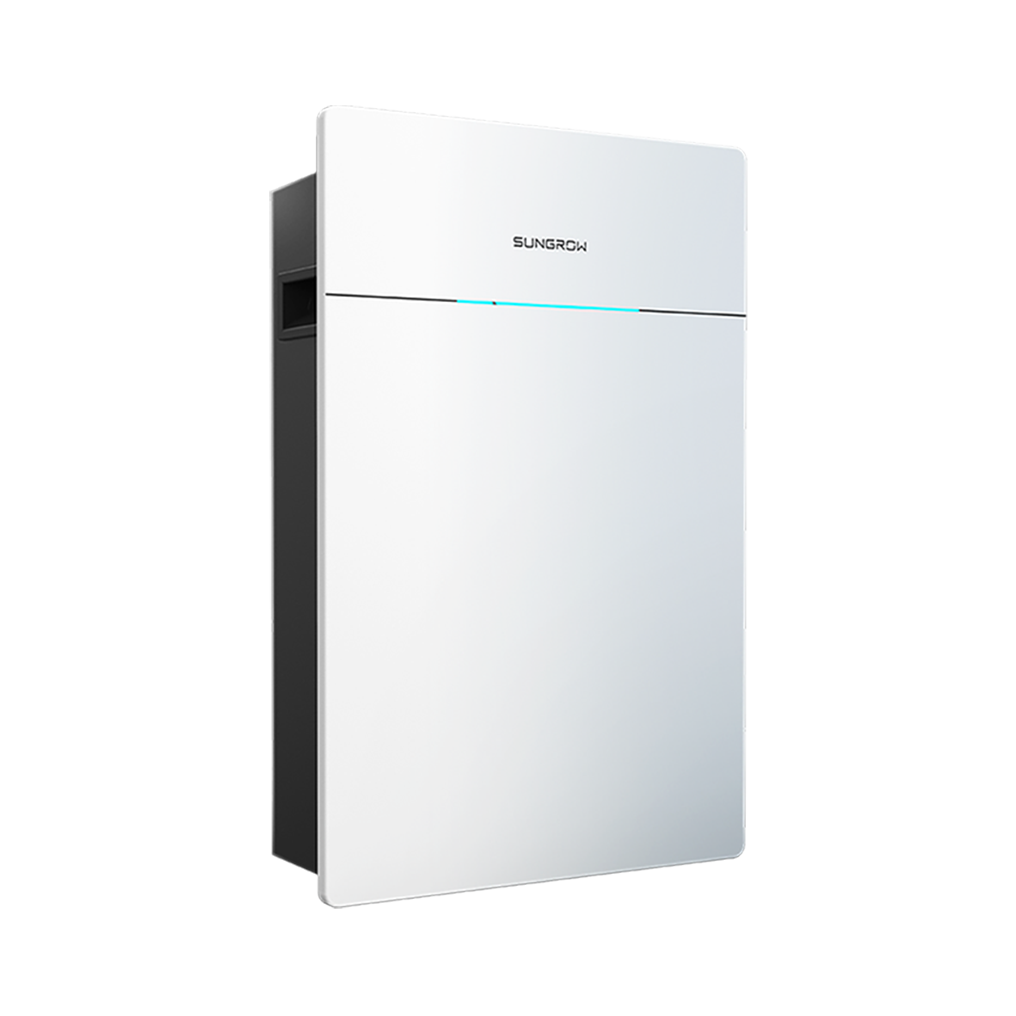
I’ve been in this game over 15 years, buying, installing, and sometimes ripping out systems for wholesale buyers and installers. I’ve seen where the scene trips: touted “plug-and-play” kits ship without a tuned BMS or realistic round-trip efficiency expectations, and installers undersize the inverter or ignore depth-of-discharge limits — then blame the hardware when the homeowner calls angry next week. I’ve cataloged failures: mismatched specs, optimistic runtime math, and warranty fine print that reads like a mixtape you can’t return. No cap — those design shortcuts cut into real ROI and user trust, not just margins.

Technical Forward-Look: What Better Systems Actually Measure
Define the baseline: a true home energy storage system ties battery chemistry (typically lithium-ion now), inverter capacity, and the BMS into a predictable performance curve. I test for cycle life, usable kWh (not nameplate), and real round-trip efficiency under partial loads — that’s the trinity that separates hype from hustle. When I pitch solar batteries for home to wholesale buyers, I show measured runtime graphs from a 10 kWh stack vs. a 15 kWh stack in Central Texas heat — the smaller pack hit 80% depth faster; the bigger pack stayed in the sweet spot longer, so lifecycle cost per kWh fell. It’s simple math, but firms still skip the field tests. What’s next? — tighten specs, demand third-party cycle data, and price per usable kWh, not per sticker kWh.
What’s Next?
I firmly believe the next wave mixes smarter BMS logic with modular hardware so installers can scale systems without guessing. I’ve pulled numbers from real installs: swapping a mismatched inverter in October 2022 saved one HOA cluster an extra 18% annual capacity loss — that translated to fewer callbacks and a clearer warranty claim path. Short pause. Then move: insist on measured performance, demand compatibility sheets, and test in-situ (don’t just trust lab numbers). Look for these three metrics when you evaluate suppliers — usable kWh, round-trip efficiency, and verified cycle life — and you’ll spot the fakers fast.
Final piece — three clear metrics I hand to clients: 1) usable kWh per unit (not nominal kWh), 2) round-trip efficiency under real load profiles, and 3) measured cycles to 80% capacity. Measure these, and you can compare apples to apples. I’ve used this checklist with wholesale buyers since 2018; it cut returns by 27% on one regional rollout. That method keeps you focused, cuts surprises, and — yeah — gets the payout to land where you expected. For trustworthy gear and project tooling, I point partners toward solutions tested in the field, including sungrow.