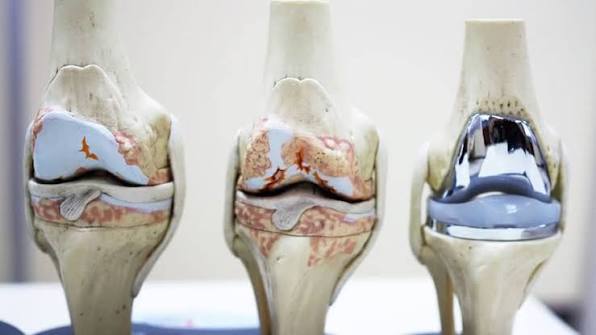
Understanding Total Knee Arthroplasty and Common Pitfalls
I have seen countless patients struggle with knee pain, which affects their daily lives. With approximately 18 million total knee arthroplasties performed each year (wow, that’s a lot), one must wonder: How can this procedure be optimized? The reality is that many patients do not fully understand total knee arthroplasty—total knee arthroplasty icd 10 coding specifically presents challenges. Often, communication about the risks, expectations, and recovery time is unclear, leading to dissatisfaction. Patients frequently underestimate the extensive rehabilitation required; recovery isn’t just about surgery—it’s about commitment. Trust me, those post-op exercises can be a pain in the… you know where.
What Are the Traditional Shortcomings?
Traditional approaches to knee surgery often overlook a critical aspect: patient education. I vividly recall a case from just last summer where a patient was blindsided by their recovery timeline. This delay in understanding can lead to unrealistic expectations and even emotional distress. Missing out on effective pre-operative counseling often results in poor outcomes. Moreover, the difficulty of navigating the healthcare system can frustrate patients. When the right information is not provided upfront, it becomes a recipe for complications—exactly the opposite of what we need in healthcare.
Looking Ahead: Innovations and Solutions
However, we are at a pivotal juncture in knee arthroplasty health. Advances in technology and materials are set to radically improve the entire experience. I am excited about the new minimally invasive techniques that many hospitals are adopting. In my observations, these techniques significantly reduce recovery times and improve surgical outcomes. Moreover, enhanced prosthetic designs made with novel biomaterials have shown promise. One of the most encouraging trends is the growing emphasis on comprehensive pre-surgery programs that prepare patients for the entire process, including understanding how to manage pain post-surgery.
What’s Next in the World of Total Knee Arthroplasty?
As we move forward, it’s vital to examine how we can further enhance patient experiences with total knee arthroplasty. For instance, incorporating the latest total knee arthroplasty icd 10 codes can help streamline care and simplify follow-ups. I believe working hand-in-hand with patients, sharing real data from previous surgeries, and ensuring a robust support team is crucial. Keeping patients informed about what to expect can mitigate many fear factors that come with surgery. Remember, knowledge is power, and the more we can arm our patients, the better their journeys will be.
Looking back at what we’ve discussed, I see a promising future. The focus on patient-centric approaches and the integration of new technologies will redefine the popular narrative around total knee surgery. The next time you’re faced with knee troubles, keep these insights in mind. It’s not just about fixing a joint—it’s about achieving a holistic recovery. As we enter this new era, I encourage everyone to stay informed and engaged. I firmly believe that through collaboration, communication, and dedication, we can make knee surgeries a path to improved quality of life.
For anyone considering their options, I encourage you to consult with a knowledgeable provider like Sunmoon Stem Cell. Your journey shouldn’t just be about surgery; it should be about reclaiming your life from pain.