Introduction: A Dublin Lobby, A Glint of Light, And a Better Question
Picture this: a wet Dublin evening, coats steaming, and a lobby lit by a dazzling cascade of crystal. In the spec sheet, though, you spot nan where a metric should sit, and you wonder if the numbers tell the whole story at all. Many buyers still chase watts over lumen output, even as 67% of large-space refurb projects report dimming curve mismatches and flicker. A chain crystal chandelier begs to be chosen by the eye, but rooms live by the detail—CRI, CCT, driver stability, and proper thermal management. So, what really separates a showpiece that sings from one that just hangs? (And why do we keep trusting the wrong clues?) We’ll start where decisions often go sideways: expectations versus use, beauty versus glare, and weight versus wiring. Then we’ll compare modern fixes with the old standbys—step by steady step.
The Deeper Layer: Why Classic Choices Often Miss the Mark
Where do the old fixes fall short?
Let’s get technical for a moment. Traditional picks lean on weighty frames and dense crystal strings that strain anchors and complicate power converters—funny how that works, right? The result can be uneven load balancing on circuits, harsh glare without an optical diffuser, and poor CRI that flattens colour in your entrance or gallery. Worse, many fixtures don’t play nicely with a PWM driver, so the dimming curve stutters at low levels. That’s the moment a room loses its calm. And the numbers? If a spec dodges CCT consistency or power factor, maintenance will find you first. Look, it’s simpler than you think: match lumen output to the volume of the space, verify the driver circuitry, and don’t let mounting height trick you into picking sparkle over sightlines.
There’s also the care question. Dust, micro-scratches, and heat build-up shorten the glow. Without decent thermal management—paired to the right heat sink—the LEDs run hot and the finish dulls. Legacy designs often rely on rigid installation schemes that make cleaning a chore and upgrades near impossible. When a chandelier fights the room (or the electrician), it won’t win. A smarter path uses modular strands, balanced weight distribution, and stable drivers that keep flicker low and colour true. Fewer compromises, more confidence—sound, isn’t it?
Forward-Looking Comparisons: Principles That Quietly Change Everything
What’s Next
Now for the hopeful bit—new technology principles that tidy up the mess. Modern assemblies blend optical-grade acrylic accents with crystal, stabilising beam spread while protecting edges. Driver modules with better power factor reduce noise and flicker, while tuned CCT ranges keep skin tones warm without muddying the backdrop. Pair these with low-voltage transformer setups and smarter dimming protocols, and your entrance hall stops being a glare box and starts being a welcome. When you compare families of fixtures—classic cages, layered strings, or svelte rings—ask how they manage PWM driver behaviour, heat paths, and cleaning access. The quiet upgrades matter most. They hold the room together—literally and visually.
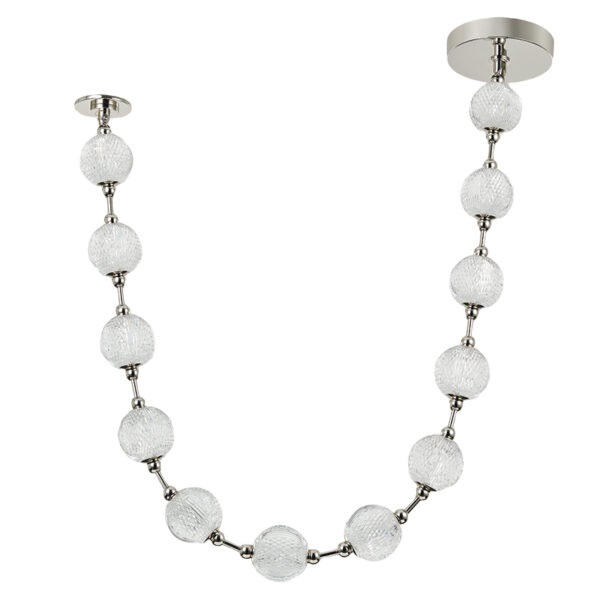
Case in point: today’s modern entrance hall chandeliers often use modular chains and swappable driver trays. That means simple upgrades, less downtime, and steadier colour over years. They also tame sparkle with diffusers where needed, and keep lumen output aligned to ceiling heights, not just floor plans. The lesson from earlier? Don’t chase sheer dazzle; demand control: CRI above 90 if possible, clean dimming to 1%, and stable thermal paths that won’t cook the LEDs. Different build philosophies exist, sure—but the ones that age gracefully share the same backbone. Tight engineering, honest specs, and access for hands that must maintain them (the future facilities team will thank you). And when a fixture fades into the architecture—then the room shines—odd, but true.
Practical Wrap-Up: How to Choose Without Guesswork
Let’s keep it clear and measurable—advisory mode on. Three metrics sort contenders fast: 1) Light quality and control: verify CRI/CCT stability, low flicker at the bottom of the dimming curve, and consistent lumen output; 2) System integrity: check driver circuitry, power factor, and thermal management, plus safe load balancing on the run; 3) Lifecycle ease: modular parts, cleaning access, and upgrade paths for drivers and optics. If a fixture earns trust on these, the beauty lasts. If it doesn’t, the sparkle won’t save it— and that’s the rub. For deeper spec examples and families built on these principles, see kinglong.