Introduction: A Technical Lens on Everyday Storage
Define the system, and the decisions get easier. In residential projects, the wardrobe is a system of panels, hardware, and finishes that must fit tight rooms and tight schedules. In large projects, wardrobes supply often decides the handover date. Many project teams now compare site carpentry with off-site partners like bedroom wardrobe manufacturers to reduce risk. A mid-size developer may furnish 300 flats a year; even a 5% rework rate can add weeks of delay and uncontrolled costs. When doors sag or panels warp, it is rarely one big mistake. It is small mismatches in MDF substrate, edge banding, and hinge load rating—stacked together. So, what if we treat the wardrobe as a calibrated assembly (not a piece of furniture) and design for repeatable fit?

Here is the scenario: a tower with identical cores but variable niches, phased by floor. The site team wants speed; the design team wants clean lines; the owner wants fewer callbacks. Data shows most snag lists cite misalignment, chipped edges, or loose cam-lock fittings. Why do these defects cluster near the end of the schedule—and under pressure? The question is simple: where do the traditional fixes fall short, and how should we compare the new options? Let us move from symptoms to structure, and set up a fair comparison for what comes next.
The Hidden Weak Links in Traditional Wardrobe Delivery
Traditional paths look easy at first. You lock drawings, send a bulk order, and let on-site carpenters “adjust” during fit-out. Look, it’s simpler than you think—until it is not. Field cuts to fit skewed walls often break the factory edge banding. Screws bite into soft zones of the MDF substrate. Hardware rated for one door width gets used on a wider panel. Each seems minor; together, they raise the chance of post-handover service calls. A CNC machining plan can hold 1–2 mm tolerance per metre, but manual trimming can double that drift. When carcass modules vary, the back panel rumbles, and the door reveal tells the story—funny how that works, right?
Then there is the process layer. Flat-pack logistics are fine for retail, but multi-unit sites need kitting by unit and floor. Without a clean bill of materials (BOM) and a QC protocol, boxes arrive mixed, fittings go missing, and the crew swaps parts. That increases lead-time variance and erodes accountability. In short, the flaw is not labour skill alone. It is mismatch: variable rooms facing non-configured parts. The result is more shim, more noise, more snag. Shift the baseline—standardise the carcass, set hinge load rating by door size, and keep corner tolerances honest—and you cut defects before they start. And yes, it shows.
Comparative Outlook: Configured Systems vs. Generic Supply
What’s Next
Moving forward, the comparison is clearer when we look at new technology principles rather than labels. A parametric configurator ties room size to module width, hole patterns, and hardware selection in one pass. This reduces SKU rationalisation pain and keeps the BOM exact for each unit—no guesswork. When wholesale wardrobe closets are built on a configurable platform, CNC routers cut panels with repeatable offsets, cam bores align, and packing is kitted by apartment. Add simple site aids—QR codes on bundles, visual assembly maps—and you trade rework for flow. The tone may sound technical, but the goal is human: fewer late nights and fewer callbacks.
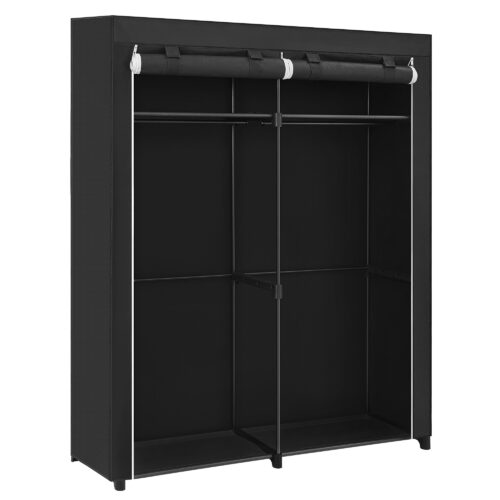
Against that, generic supply leans on “one-size” carcasses and bulk hardware. It can look cheaper on day one. Yet the hidden costs emerge in trims, fillers, and aftercare. Comparative data from many sites shows two strong levers: tolerance control and logistics clarity. Systems that lock both can cut defect lists by half and compress install time per unit. The path ahead, then, is not exotic. It is about predictable fit, right-sized hardware, and disciplined kitting—done every time. To close, here are three practical metrics to evaluate solutions: 1) Dimensional accuracy: max 2 mm drift per metre on installed reveals; 2) Hardware durability: hinge cycle rating aligned to door size and use class; 3) Delivery reliability: kit-completeness rate and lead-time variance per floor. Choose by these, and the rest aligns. For broader options and industry alignment, see SONGMICS HOME B2B.